years before the Massé family hires her
Louise’s Early Nanny Work
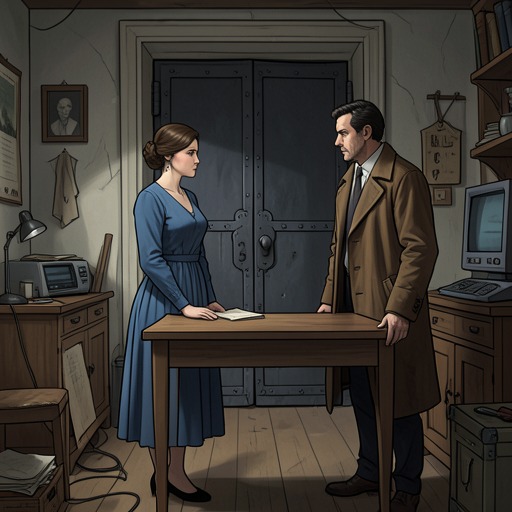
As a young woman, [Louise](entity:character-recall-character-louise-ee0c8b66fc54) began caring for other people’s children, first looking after babies at home and later accompanying her daughter [Stéphanie](entity:character-recall-character-st-phanie-a71d63bfb1f5) on babysitting jobs. She took on the feeding, bathing, soothing, and cleaning that employers depended on, while Stéphanie watched the intimate rhythms of other families from the margins.
The work gave Louise a role and a place in other people’s homes, but it also sharpened the boundary between the family who belonged there and the worker who served them. That pattern of tenderness mixed with exclusion would shape her later attachment to the Massés.
during Stéphanie’s childhood
A Child Left at the Margins
While [Louise](entity:character-recall-character-louise-ee0c8b66fc54) worked for the Rouvier family, she brought [Stéphanie](entity:character-recall-character-st-phanie-a71d63bfb1f5) along to their country house. Louise warned her daughter to stay quiet and not appear to enjoy herself too much, since the employers might resent seeing her take pleasure in surroundings that were not meant for her.
The Rouvier household treated Stéphanie as an unwelcome presence, redirecting her to errands and away from their sons. When she showed off her skill on the trampoline, Mme Rouvier asked her to stop and later suggested that returning would only make the girl suffer. The episode made class exclusion visible even inside a supposedly generous arrangement.
when Stéphanie entered secondary school
Stéphanie’s School Expulsion
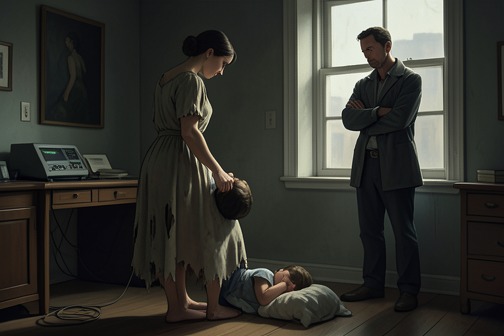
An employer, [Mme Perrin](entity:character-recall-character-mme-perrin-99b8a17352d3), helped [Stéphanie](entity:character-recall-character-st-phanie-a71d63bfb1f5) enter a better-regarded [Paris](entity:location-recall-location-paris-c02b439ce220) school, but the teenager soon disrupted lessons, skipped classes, hid disciplinary notices, and smoked cannabis in a nearby square. When the school summoned [Louise](entity:character-recall-character-louise-ee0c8b66fc54) to a disciplinary hearing, she pleaded that she had experience raising children and was doing her best for her daughter.
The school expelled Stéphanie, suggesting she would fare better in a neighborhood closer to home. On the journey back, Louise’s shame and anger hardened into violence: she dragged Stéphanie inside and beat her savagely while [Jacques](entity:character-recall-character-jacques-179ee49f5837) watched from the window without intervening. The assault revealed the violence Louise could direct at those closest to her, long before the later household catastrophe.
after her expulsion and during adolescence
Stéphanie Runs Away
[Stéphanie](entity:character-recall-character-st-phanie-a71d63bfb1f5) grew increasingly restless at home. She stayed out through the night, dyed her hair red, pierced her nose, and eventually stopped coming back. [Louise](entity:character-recall-character-louise-ee0c8b66fc54) reported her missing, but accepted the official suggestion that it was a teenage runaway and did not pursue the fragmentary news that her daughter was living in the South.
Stéphanie’s departure left Louise with no child of her own to care for and no close family life to return to. Her talent for becoming invisible, which had once helped her endure other people’s homes, became a lasting isolation.
the final months of Jacques’s life
Jacques’s Decline
[Jacques](entity:character-recall-character-jacques-179ee49f5837) became bitter and consumed by grievances, lawsuits, and failed schemes. He belittled [Louise](entity:character-recall-character-louise-ee0c8b66fc54)’s childcare work, calling it degrading, yet expected her to absorb his anger and tend to his needs. When his health failed, Louise tried to soothe him through incessant talking, even as his distress worsened.
He died after a rapid decline, leaving debts, legal disputes, and unpaid bills rather than security. Louise’s marriage had offered neither tenderness nor a stable future, and its ending stripped away the home she had known.
after Jacques’s death
Louise’s Eviction
After [Jacques](entity:character-recall-character-jacques-179ee49f5837) died, [Louise](entity:character-recall-character-louise-ee0c8b66fc54) learned from the notary that the house in [Bobigny](entity:location-recall-location-2c055f9e0f7e) would be seized and that she had only a month to leave. She packed alone, abandoned the accumulated papers and many belongings, and went first to a hotel before finding a small furnished studio in [Créteil](entity:location-recall-location-28706b913606).
With no family to take her in and no settled home, she drifted through the city in a state of isolation. The loss gave force to the question in the novel’s epigraph: what happens to a person who has nowhere to go?
when Louise was twenty-five
Louise’s Abortion Appointment
While working for [M. Franck](entity:character-recall-character-m-franck-4e9fada6806b), [Louise](entity:character-recall-character-louise-ee0c8b66fc54) discovered she was pregnant. He reacted with contempt, insisting that a poor unmarried woman had no business having a child, then offered to arrange an abortion and promised a proper contract and wages afterward. He also pressed her to identify the father; Louise said he was nobody.
On the day of the procedure, Louise did not wake in time and missed the appointment. [Stéphanie](entity:character-recall-character-st-phanie-a71d63bfb1f5) was born, and Louise left M. Franck’s employment without seeing him or the elderly woman she had cared for again. The missed appointment became an early turning point in a life shaped by poverty, unwanted judgment, and an unexpected maternal bond.
after Louise leaves Jacques’s house
Life in the Hotel Room
After leaving the house in [Bobigny](entity:location-recall-location-2c055f9e0f7e), [Louise](entity:character-recall-character-louise-ee0c8b66fc54) spent a period in a hotel room in the Chinese quarter, sleeping for long stretches and going out only when hunger forced her. The city seemed full of people with destinations while she watched them as a nearly invisible spectator.
Her solitude became both painful and strangely absorbing: she began to notice strangers’ gestures and private routines with an intensity she had never had time for before. The experience deepened her sense of being outside ordinary life and helped make other people’s homes feel like the only places where she could belong.
during Louise’s first winter alone
Meeting Wafa
At a winter square, [Louise](entity:character-recall-character-louise-ee0c8b66fc54) met [Wafa](entity:character-recall-character-wafa-bc155d8022d9), a young undocumented woman who offered her honey cakes and spoke freely about her precarious life. Wafa had come to France through a relationship with an older man, then found work with a demanding couple and a room tied to her employment.
The two women formed an unlikely friendship. Wafa’s frankness offered Louise companionship without requiring her to explain herself, while their shared position as workers in other people’s homes made the square a place of informal solidarity.
later, before Louise joins the Massé household
Wafa’s Sham Marriage
[Wafa](entity:character-recall-character-wafa-bc155d8022d9) arranged a marriage with Youssef in exchange for money and legal papers. What began as a private transaction grew into a modest celebration after Youssef’s family insisted that a public wedding might reassure immigration officials.
[Louise](entity:character-recall-character-louise-ee0c8b66fc54) attended as Wafa’s witness. At the restaurant she was seated beside [Hervé](entity:character-recall-character-herv-e29cbe4c92c2), an unremarkable, lonely man Wafa hoped might suit her. Louise initially found him awkward and unattractive, but as she drank and listened, his quiet manner became less off-putting.
after Wafa’s wedding
Louise Meets Hervé
At the wedding celebration, [Hervé](entity:character-recall-character-herv-e29cbe4c92c2) told [Louise](entity:character-recall-character-louise-ee0c8b66fc54) about his delivery work, repairs, and love of music. She had never developed a taste for music beyond the nursery songs she sang to children, and she struggled to answer his questions about books and records.
Hervé walked her to the Metro afterward and thought about her on his journey home. Their meeting opened the possibility of a relationship, but Louise’s attention remained divided by the need to find work and by the emptiness of her own life.
before Myriam returns to work
Myriam’s Domestic Exhaustion
After [Mila](entity:character-recall-character-mila-676080c6900c)’s birth, [Myriam](entity:character-recall-character-myriam-876fe993d453) devoted herself to the fragile infant and refused to entrust her to a babysitter. A second pregnancy followed, and the young family’s cocoon gradually became an exhausting routine of shopping, childcare, housework, and bills. Myriam resented [Paul](entity:character-recall-character-paul-6e5f3b48f63d)’s work and social freedom while he believed she was fortunate to spend time with the children.
Myriam felt ashamed that motherhood had eclipsed the legal career she had worked hard to build. She withdrew from friends and began stealing small, useless items from a supermarket with the children’s stroller, finding a fleeting thrill in the secrecy. Her despair culminated in the thought that the children were consuming her alive.
late January, before the nanny search
Myriam Encounters Pascal
[Myriam](entity:character-recall-character-myriam-876fe993d453) ran into [Pascal](entity:character-recall-character-pascal-c57ad1b3d026), a former law-school classmate, while struggling with [Mila](entity:character-recall-character-mila-676080c6900c) at a carousel. Ashamed of her worn clothes and unkempt hair, she nevertheless listened eagerly as he spoke about the law practice he had built. Pascal later texted to ask whether she might want to return to legal work.
The message filled Myriam with joy and reopened a future she had feared was closed. [Paul](entity:character-recall-character-paul-6e5f3b48f63d) initially reacted with indifference and questioned how they would manage childcare, but after weighing the costs and lack of available nursery places, the couple decided to hire a nanny.
the Saturday before Louise is hired
The Nanny Interviews
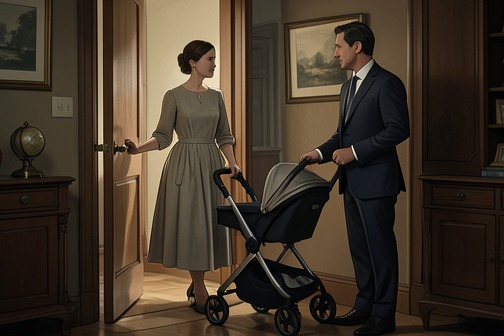
[Paul](entity:character-recall-character-paul-6e5f3b48f63d) prepared a strict list of interview questions, including preferences about immigration status, age, religion, and smoking. [Myriam](entity:character-recall-character-myriam-876fe993d453) was uneasy about the discriminatory assumptions behind the process but did not challenge her husband. The couple interviewed several candidates, rejecting one who was undocumented and another whom Myriam did not want caring for the children because of their shared North African background.
When [Louise](entity:character-recall-character-louise-ee0c8b66fc54) arrived, her calm play with [Mila](entity:character-recall-character-mila-676080c6900c) and [Adam](entity:character-recall-character-adam-7e6d3c5ddcc8) immediately won the parents over. A former employer confirmed that she had been an exceptional caregiver, and the Massés hired her. Their search had treated childcare as a matter of sorting workers by convenience; Louise’s arrival quickly made that arrangement feel like a rescue.
Louise’s first workday
Louise’s First Morning
[Louise](entity:character-recall-character-louise-ee0c8b66fc54) prepared for her first day in her cramped studio, polishing old shoes, repairing her nails, and checking her appearance with anxious care. She left before dawn and reached the Massé building far too early, waiting on the stairs rather than risk disturbing the family.
[Paul](entity:character-recall-character-paul-6e5f3b48f63d) found her there and gave her a set of keys, telling her to make herself at home. The gesture began the gradual transfer of practical authority: Louise was not merely entering the apartment to care for the children; she was being handed access to the household itself.
the first weeks of Louise’s employment
Louise Transforms the Home
[Louise](entity:character-recall-character-louise-ee0c8b66fc54) quickly imposed order on the crowded apartment. She mended clothes, washed curtains, reorganized cupboards, kept meticulous notes, and cooked meals that made the children eat without protest. The home became cleaner, calmer, and more comfortable, and the parents began to call her a fairy.
[Myriam](entity:character-recall-character-myriam-876fe993d453) and [Paul](entity:character-recall-character-paul-6e5f3b48f63d) were delighted by the changes and increasingly willing to let Louise take over tasks they had never asked her to perform. Her labor made their ideal family life possible, while its apparent effortless magic concealed how much of the household’s functioning rested on an employee’s unseen work.
the months after her arrival
Louise Wins the Children
[Louise](entity:character-recall-character-louise-ee0c8b66fc54) grew especially close to [Adam](entity:character-recall-character-adam-7e6d3c5ddcc8), carrying him against her body, singing to him, and helping him sleep through the night and begin walking. [Mila](entity:character-recall-character-mila-676080c6900c) was more difficult: she tested Louise in public, ran from her, and used tantrums to make the nanny yield. Louise gradually drew Mila in with elaborate, unsettling stories of lost children, imprisoned princesses, and cruel worlds where the good did not always survive.
Louise’s care was tender, but her games and stories also carried a darker intensity. The children became central to her emotional life, and her ability to soothe them made it easier for their parents to surrender still more of their daily responsibilities to her.
the first months after hiring Louise
Myriam Returns to Law
[Myriam](entity:character-recall-character-myriam-876fe993d453) returned to the law office before dawn, rediscovering the concentration and ambition of her student years. [Pascal](entity:character-recall-character-pascal-c57ad1b3d026) gave her substantial work, and she accepted every case, including difficult criminal matters and long nights at [Bobigny courthouse](entity:location-recall-location-20ca6df38f4c), determined to prove herself.
The career revived her sense of purpose but intensified the conflict between professional ambition and motherhood. Myriam’s colleagues and her children’s teacher judged her absences, while she felt trapped between competing demands and increasingly dependent on [Louise](entity:character-recall-character-louise-ee0c8b66fc54) to keep the family running.
about six months after her return to work
Myriam’s Desire for Herself
[Pascal](entity:character-recall-character-pascal-c57ad1b3d026) invited [Myriam](entity:character-recall-character-myriam-876fe993d453) for a celebratory drink, and their conversation stirred a light, selfish desire that had been absent from her life. She loved [Paul](entity:character-recall-character-paul-6e5f3b48f63d), but the intimacy of their marriage had become inseparable from pregnancy, childbirth, and the bodily history of motherhood.
Myriam privately envied the apparent freedom of people whose lives did not revolve around dependence and care. She imagined that happiness might come only when family members no longer needed one another, a thought that exposed both her exhaustion and the emotional cost of the life [Louise](entity:character-recall-character-louise-ee0c8b66fc54) was making possible.
a Wednesday afternoon, several months after Louise’s arrival
Mila’s Birthday Party
[Louise](entity:character-recall-character-louise-ee0c8b66fc54) threw herself into planning [Mila](entity:character-recall-character-mila-676080c6900c)’s birthday, making decorations, finding a taffeta dress, baking a large cake, and rearranging the apartment’s heavy furniture by herself. [Myriam](entity:character-recall-character-myriam-876fe993d453) found the preparations excessive and retreated to her room when the guests arrived.
Louise became the center of the children’s party, leading songs, tricks, and boisterous games with an ease Myriam admired and found disconcerting. The scene showed how completely Louise could inhabit the children’s world—and how readily Myriam could retreat from the work of being present for it.
during the period after Mila’s birthday
The Disappearing Game
[Louise](entity:character-recall-character-louise-ee0c8b66fc54)’s favorite game was hide-and-seek without rules: she would vanish into a cramped hiding place and remain silent while the children searched. [Adam](entity:character-recall-character-adam-7e6d3c5ddcc8) and [Mila](entity:character-recall-character-mila-676080c6900c) called for her, cried, and became frightened that she had truly abandoned them, while Louise watched their panic from the dark.
When Mila eventually found Louise in a laundry basket and asked for peace, Louise sprang up so abruptly that Mila fell and struck her head. The children soon turned the frightening encounter into laughter, but the game exposed the dangerous edge beneath Louise’s play: abandonment itself had become part of the pleasure.
the months following the birthday
Louise Becomes Indispensable
[Louise](entity:character-recall-character-louise-ee0c8b66fc54) began arriving earlier and leaving later, taking over meals, cleaning, bedtime, and the details that held the household together. [Myriam](entity:character-recall-character-myriam-876fe993d453) stopped calling to explain delays, and the children stopped asking when their mother would return. Louise’s labor was so effective that she seemed invisible even as she became indispensable.
The couple’s dependence blurred the distinction between paid work and family intimacy. Louise slept on their sofa after late evenings, while Myriam felt both guilty and relieved, offering gifts and hiding new purchases so as not to hurt her employee. The household’s comfort rested on a relationship that neither side clearly defined or controlled.
later that year, at a dinner party in the Massé apartment
The Dinner That Includes Louise
At a celebration for [Myriam](entity:character-recall-character-myriam-876fe993d453)’s legal success and [Paul](entity:character-recall-character-paul-6e5f3b48f63d)’s new music opportunity, Paul insisted that [Louise](entity:character-recall-character-louise-ee0c8b66fc54) stay for dinner. The guests praised her cooking, then turned back to their own professional talk while she slipped away to clean the kitchen. Paul’s drunken promise to take her on holiday seemed both generous and careless.
The next morning, Myriam encouraged the idea because she imagined the trip would make a real vacation possible for the parents. Louise was invited into the family’s leisure, but the invitation still depended on her continuing to care for the children. Inclusion and employment remained entangled.
summer, during the Massé family holiday
The Journey to Greece
The Massés took [Louise](entity:character-recall-character-louise-ee0c8b66fc54) with them to [Greece](entity:location-recall-location-ef5f9547f6a4). In [Athens](entity:location-recall-location-90681f7b48c3), the family hurried through the port and nearly missed the ferry, while Louise shared a small room with [Mila](entity:character-recall-character-mila-676080c6900c) and [Adam](entity:character-recall-character-adam-7e6d3c5ddcc8) to save money. On the boat, she was disturbed by a sunburned woman’s exposed, damaged body and struggled with seasickness.
On [Sifnos](entity:location-recall-location-b95856dcc9b9), the landscape opened a world Louise had never experienced: white villages, a quiet bay, and a dawn that seemed to offer beauty to anyone willing to look. The holiday gave her a glimpse of life beyond work and her cramped studio, but her place in the family remained that of caregiver.
the first days on Sifnos
Louise Learns to Swim
At the beach, [Mila](entity:character-recall-character-mila-676080c6900c) urged [Louise](entity:character-recall-character-louise-ee0c8b66fc54) into the water, and Louise reacted with a sudden, forceful refusal that knocked the child down. She admitted that she could not swim. [Paul](entity:character-recall-character-paul-6e5f3b48f63d) was irritated by the disruption, then bought her children’s arm bands and began teaching her in the sea.
Paul discovered a body he had never noticed because he had categorized Louise as an employee or as part of the children’s world. Louise, frightened by the water and by memories of a child drowned in a muddy pond, moved forward only while holding his hand. Their lessons briefly made her vulnerability visible to him, but did not change the unequal structure of their relationship.
during the Greek holiday
The Three-Person Dinner
When the pension owner offered to watch the children, [Paul](entity:character-recall-character-paul-6e5f3b48f63d) and [Myriam](entity:character-recall-character-myriam-876fe993d453) invited [Louise](entity:character-recall-character-louise-ee0c8b66fc54) to dinner. She initially refused, insisting that caring for the children was her job, but eventually joined them. The adults drank, talked awkwardly about the children and the island, and Paul put an arm around Louise’s shoulders.
As Paul and Myriam danced together, Louise understood that their happiness was not hers to direct. Yet she felt that she belonged to them and that they belonged to her. The evening intensified her possessive attachment, while the couple’s return to private intimacy left her alone with the children’s cries.
the end of the Greek holiday
The Return to Paris
After the family returned to [Paris](entity:location-recall-location-paris-c02b439ce220), [Louise](entity:character-recall-character-louise-ee0c8b66fc54) said solemn farewells and went back alone to her studio. The empty weekend that followed became an ordeal: she waited for a call, dressed as though the family might need her, and imagined being included in their ordinary outings.
Louise’s longing collided with the fact that the Massés had resumed their own life without her. Their absence sharpened her isolation and made the difference between a holiday companion and a family member impossible to ignore.
September, during an outing to the Jardin d’acclimatation
Mila Goes Missing
On a warm afternoon, [Louise](entity:character-recall-character-louise-ee0c8b66fc54) took [Mila](entity:character-recall-character-mila-676080c6900c) and [Adam](entity:character-recall-character-adam-7e6d3c5ddcc8) to the [Jardin d’acclimatation](entity:location-recall-location-0df0b15c6c5d). After the three fell asleep on a blanket, Louise woke to find Mila gone and searched the grounds in panic, carrying Adam and calling the child’s name.
She found Mila eating ice cream with a woman who scolded Louise for losing sight of her. Once the stranger left, Louise clutched Mila too tightly and warned her that a kidnapper might take her away forever. Mila bit Louise’s shoulder to escape, and neither told [Myriam](entity:character-recall-character-myriam-876fe993d453) what had happened. Their shared secret bound them together through fear and resentment.
after the amusement-park incident
Mila Bites Adam
[Myriam](entity:character-recall-character-myriam-876fe993d453) noticed bite marks on [Adam](entity:character-recall-character-adam-7e6d3c5ddcc8) and asked [Louise](entity:character-recall-character-louise-ee0c8b66fc54) what had happened. Louise said [Mila](entity:character-recall-character-mila-676080c6900c) had bitten her brother, then showed Myriam an older scar where Mila had bitten her during their secret confrontation at the park. She asked Myriam not to question the child, arguing that the promise between them should not be broken.
Myriam accepted the explanation without resolving what it meant. The children’s aggression and Louise’s selective secrecy revealed how much of their lives now unfolded beyond their parents’ view, while Louise increasingly claimed the authority to manage the family’s emotional problems herself.
winter, after the bite marks were discovered
The Mountain Visit
[Myriam](entity:character-recall-character-myriam-876fe993d453) told [Louise](entity:character-recall-character-louise-ee0c8b66fc54) that the family would spend a week with [Paul](entity:character-recall-character-paul-6e5f3b48f63d)’s parents, and Louise reacted with a darkness that unsettled her. [Sylvie](entity:character-recall-character-sylvie-20cad0cd2875) arrived to take the children and greeted them exuberantly, while Louise watched from the kitchen, pale and apparently murmuring to herself. Myriam felt as if she were taking the children away from Louise.
At the mountain house, Myriam hovered anxiously over the children, while Sylvie wanted to give them more freedom. A long-standing dispute between the two women about Myriam’s work and the children’s upbringing remained unresolved. Paul, meanwhile, felt relieved by the temporary distance from the crowded family routine.
during the Massés’ week away
Louise Waits in the Empty Home
After the family left, [Louise](entity:character-recall-character-louise-ee0c8b66fc54) returned to the apartment, opened the shutters, changed the sheets, and cleaned. She then stayed there alone for the week, living on the sofa and on food from the cupboards. A television crime report about a forgotten body in a sealed house unsettled her with its image of a death discovered only through expired yogurt.
One day she woke in a panic, believing she was late to collect the children, and ran to the school before remembering they were on vacation. The episode exposed how completely her daily identity depended on being needed by the family, and how little remained when that routine stopped.
during the same week
Wafa Cooks for Louise
[Wafa](entity:character-recall-character-wafa-bc155d8022d9) visited [Louise](entity:character-recall-character-louise-ee0c8b66fc54) at the empty apartment and brought ingredients to cook for her. Louise sat watching someone prepare a meal solely for her, an unfamiliar experience that recalled the scraps and reheated soup of her childhood. Wafa noticed a photograph of Louise with [Mila](entity:character-recall-character-mila-676080c6900c) and [Adam](entity:character-recall-character-adam-7e6d3c5ddcc8) and listened as Louise described a future family holiday on [Sifnos](entity:location-recall-location-b95856dcc9b9) that had not been planned.
Louise imagined staying on the island rather than returning to [Paris](entity:location-recall-location-paris-c02b439ce220), then disappearing without explanation. Wafa recognized the longing behind the fantasy, but Louise laughed it off. Their friendship gave Louise a brief experience of care that was not part of a job.
after the family’s return from the mountains
Hervé’s Courtship
[Wafa](entity:character-recall-character-wafa-bc155d8022d9) arranged for [Louise](entity:character-recall-character-louise-ee0c8b66fc54) to sit beside [Hervé](entity:character-recall-character-herv-e29cbe4c92c2) at her wedding celebration. Louise initially disliked his appearance and worried that the Massés would find him disappointing, but his quietness and gentle attention became easier to bear as she drank. She accepted his offer to walk her to the Metro.
Later Hervé began courting her, taking her to the cinema and imagining holidays and retirement together. Louise eventually went home with him, where they had awkward sex. The encounter briefly gave her a possible private life, but her thoughts soon turned not to Hervé himself but to a child who could secure her place in the Massé household.
early in the winter after the mountain trip
The Treasury Notice
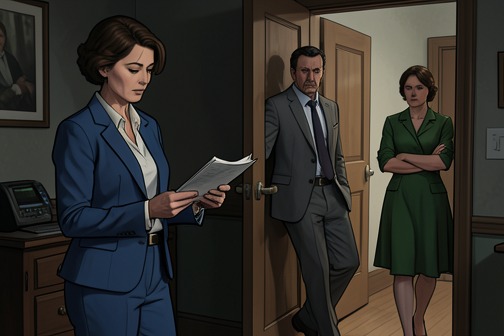
The Massés received a notice from the [Trésor public](entity:organization-recall-organization-tr-sor-public-2dd758d3882a) ordering deductions from [Louise](entity:character-recall-character-louise-ee0c8b66fc54)’s wages to recover unpaid debts. [Paul](entity:character-recall-character-paul-6e5f3b48f63d) confronted her, while [Myriam](entity:character-recall-character-myriam-876fe993d453) offered to help organize the paperwork. Louise panicked, imagining that [Rose Grinberg](entity:character-recall-character-rose-grinberg-73469b1f726b) had exposed her private life, before realizing that the letter concerned money she had failed to address.
Louise’s debts followed her from [Jacques](entity:character-recall-character-jacques-179ee49f5837)’s house into the present and threatened the fragile stability of her employment. She apologized and offered confused explanations, but could not bring herself to show the documents or ask directly for help. Her silence preserved the gulf between employer and employee even as her circumstances worsened.
the morning after the Treasury confrontation
Louise’s Illness and Absence
Sick with fever and a swollen throat, [Louise](entity:character-recall-character-louise-ee0c8b66fc54) failed to get out of bed when [Myriam](entity:character-recall-character-myriam-876fe993d453) called early in the morning. Myriam, who had an important court appearance and a sick [Mila](entity:character-recall-character-mila-676080c6900c) at home, feared that Louise had disappeared. [Paul](entity:character-recall-character-paul-6e5f3b48f63d) urged her to look for Louise’s address and planned to go to the studio if she did not hear back.
Louise eventually called to apologize, explaining simply that illness had kept her in bed. The family found a last-minute student to help, but Myriam returned to a chaotic apartment and felt the absence of Louise’s competence more keenly than ever. The episode showed how the household’s dependence had grown without either side admitting its limits.
after several days of illness
Louise Returns to Work
After several days of feverish sleep and disturbing dreams, [Louise](entity:character-recall-character-louise-ee0c8b66fc54) prepared herself with makeup and returned to the Massé apartment. [Mila](entity:character-recall-character-mila-676080c6900c) ran to her in relief, and [Adam](entity:character-recall-character-adam-7e6d3c5ddcc8) pushed toward her from [Myriam](entity:character-recall-character-myriam-876fe993d453)’s arms, recognizing her voice and the smell of her talc.
The children’s welcome confirmed the emotional power Louise held in the home. It also deepened the parents’ reliance on a woman whose physical and psychological condition was increasingly fragile and whose private life remained largely unknown to them.
the months after Louise’s illness
The Food-Waste Dispute
[Louise](entity:character-recall-character-louise-ee0c8b66fc54) saved nearly every scrap of food, kept tiny leftovers in the refrigerator, collected discount coupons, and resisted throwing things away. At first the Massés found the habit amusing and even praised her thrift. Later [Myriam](entity:character-recall-character-myriam-876fe993d453) grew uneasy and forbade Louise to give the children expired food, insisting that the rule was not negotiable.
For Louise, food was bound to scarcity, debt, and the fear of waste; for Myriam, the rule was a parental boundary. The disagreement made their unequal relationship more explicit, as the employers tried to reclaim authority over a household that Louise had come to manage.
one evening after Myriam forbids expired food
The Chicken Carcass Incident
[Myriam](entity:character-recall-character-myriam-876fe993d453) found a clean, stripped chicken carcass displayed on the children’s table. She recognized the chicken she had thrown out that morning. [Louise](entity:character-recall-character-louise-ee0c8b66fc54) had rescued it, washed it, and served the bones as a game, letting [Mila](entity:character-recall-character-mila-676080c6900c) and [Adam](entity:character-recall-character-adam-7e6d3c5ddcc8) pick at them with their fingers and drink Fanta so they would not choke.
Myriam was horrified and read the carcass as a deliberate, almost ritual act of defiance. The incident turned an argument about food into a confrontation over authority, deprivation, and control. It was the first unmistakable sign that Louise’s resentment could take a form designed to unsettle her employers.
about ten years after Louise’s employment with the Rouviers
Hector Remembers Louise
Years after [Louise](entity:character-recall-character-louise-ee0c8b66fc54) stopped working for the Rouviers, Hector still remembered her hands, their scent, and the way she soothed him at bedtime. He recalled her touch as comforting but also confusingly intimate, and he remembered grieving when she left without keeping her promises of lasting affection.
When police questioned Hector and Anne about Louise, they learned that she had been accused of killing two children. Hector felt a startling relief, as if a danger he had sensed as a child had finally fallen elsewhere. His memories complicated the portrait of an affectionate caregiver by revealing how intense and possessive her tenderness could feel to a child.
during the period of the chicken carcass incident
Myriam’s Trial Work
[Myriam](entity:character-recall-character-myriam-876fe993d453) continued assisting [Pascal](entity:character-recall-character-pascal-c57ad1b3d026) on a serious criminal case at the [Cour d’assises](entity:organization-recall-organization-cour-d-assises-cfc1c94c655f). She prepared the defense of a young man accused of taking part in a fatal racist attack, trying to separate fact from lies and maintain the professional distance Pascal taught her.
In a courtroom recess, the case made her reconsider [Louise](entity:character-recall-character-louise-ee0c8b66fc54)’s unpaid debts and her own decision not to investigate them. Myriam had mistaken silence for a boundary she should respect, but now feared that her reserve had left Louise alone with a crisis she did not understand. Professional confidence did not help her confront the threat unfolding inside her home.
the morning after the chicken carcass is found
Myriam Fears Louise
[Myriam](entity:character-recall-character-myriam-876fe993d453) confronted [Louise](entity:character-recall-character-louise-ee0c8b66fc54) in the kitchen, where the nanny offered her coffee as if nothing had happened. Myriam, who could argue forcefully in court, found herself unable to speak plainly to the small, pale woman. [Paul](entity:character-recall-character-paul-6e5f3b48f63d) later apologized for dismissing her alarm and agreed that they could no longer keep Louise indefinitely.
They discussed waiting until summer and easing Louise out after a holiday, rather than ending the employment immediately. Myriam feared that Louise had become too embedded in their household to remove cleanly, while the children’s attachment made the decision harder. The family saw the danger but still postponed decisive action.
spring, after relations with Myriam cool
Louise Imagines a New Baby
After [Myriam](entity:character-recall-character-myriam-876fe993d453) and [Louise](entity:character-recall-character-louise-ee0c8b66fc54) became distant, Louise began imagining that a new baby would restore her place in the household. Having slept with [Hervé](entity:character-recall-character-herv-e29cbe4c92c2), she fantasized about a child who would pass between her arms and those of Myriam and [Paul](entity:character-recall-character-paul-6e5f3b48f63d), binding the adults together and repairing their strained relationship.
She watched Myriam’s body for signs of pregnancy, cooked foods believed to encourage fertility, and handled the couple’s laundry as if it were part of a private ritual. Each month, Myriam’s blood disappointed her. Louise’s desire had shifted from care for the existing children to a delusional conviction that she needed a new child to secure belonging.
spring, before the family’s next holiday
Louise Loses Her Apartment
[Louise](entity:character-recall-character-louise-ee0c8b66fc54)’s landlord, [Bertrand Alizard](entity:character-recall-character-bertrand-alizard-f09c3028ed5b), confronted her over late rent and the collapsed shower in her studio. He blamed her for the damage, threatened to keep her deposit, and told her to finish packing because another tenant would arrive soon. Louise remained silent, revealing that she treated the studio as little more than a hiding place; she regularly showered in the Massé apartment instead.
The threatened eviction intensified her dependence on the family and her terror of having nowhere to live. Her private life had already become precarious, but the Massés did not know how far her circumstances had deteriorated.
spring, during an afternoon walk from the square
Louise Tips Over Lydie’s Stroller
[Lydie](entity:character-recall-character-lydie-114e6e983fa3) told [Louise](entity:character-recall-character-louise-ee0c8b66fc54) about a pregnant woman expecting twins and suggested that Louise take the job. The possibility of a new infant stirred Louise’s fixation so intensely that she stopped listening to the offer and abruptly turned away, knocking over Lydie’s stroller in the process.
The baby was unharmed, but Lydie insisted that the act was deliberate. Louise’s obsession had begun to overwhelm ordinary social contact and even the safety of another child. The episode showed how fiercely she guarded the imagined future she had constructed around a newborn.
near the end of the story, shortly before the murders
Louise Sends the Children Out
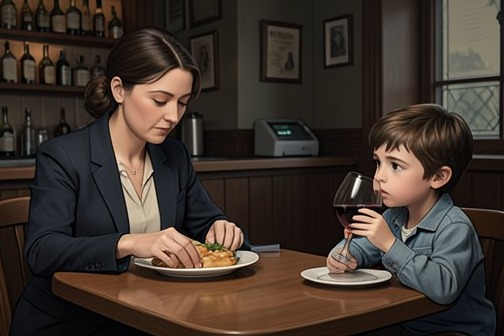
[Louise](entity:character-recall-character-louise-ee0c8b66fc54) proposed taking [Mila](entity:character-recall-character-mila-676080c6900c) and [Adam](entity:character-recall-character-adam-7e6d3c5ddcc8) to dinner so that [Myriam](entity:character-recall-character-myriam-876fe993d453) and [Paul](entity:character-recall-character-paul-6e5f3b48f63d) could spend an evening alone. She had planned the outing as a means of giving the couple privacy and, in her distorted hope, helping them conceive the child she believed would secure her place. Myriam reluctantly agreed, and Mila enthusiastically supported the plan.
At a nearly empty neighborhood restaurant, Louise ordered for the children and drank wine while Mila grew uneasy. After the meal, Louise led the children through unfamiliar streets, bought Mila strawberry ice cream, and took them home late. The effort did not bring Myriam and Paul together as Louise had imagined; Myriam had gone to bed before Paul, leaving Louise’s plan empty of the intimacy she wanted to create.
the final weeks before the murders
Louise’s Emotional Collapse
[Louise](entity:character-recall-character-louise-ee0c8b66fc54) became increasingly withdrawn and depleted. She left the television on, ignored the children’s pleas to go outside, and watched alarming news while [Mila](entity:character-recall-character-mila-676080c6900c) learned not to repeat certain words at home. Their noise and endless demands began to feel unbearable to Louise, who imagined harming [Adam](entity:character-recall-character-adam-7e6d3c5ddcc8) and had to force the thoughts away.
She recognized that she no longer knew how to love and feared she would be punished for it. Her inner refrain became that someone had to die for the family to be happy. The care that had once organized her life had curdled into exhaustion, resentment, and a frighteningly explicit death wish.
May, shortly before the murders
The Last Family Outing
[Paul](entity:character-recall-character-paul-6e5f3b48f63d)’s friend [Thomas](entity:character-recall-character-thomas-96b965fcdef2) invited the Massés to his country house. The family spent a cheerful day with ponies, music, food, and play, and the parents briefly imagined that the hardest years of parenthood were behind them. Driving home, Paul left a traffic jam for a darker route through the suburbs.
[Myriam](entity:character-recall-character-myriam-876fe993d453) spotted [Louise](entity:character-recall-character-louise-ee0c8b66fc54) walking alone among the shops, detached from the stroller and children that usually defined her role. She watched Louise disappear into the crowd and felt a sudden desire to imagine who Louise was outside their home. [Adam](entity:character-recall-character-adam-7e6d3c5ddcc8) called her his nanny and asked where she was going; Myriam answered that she was going home, acknowledging a separate life she had rarely considered.
a day in May, near the end of the story
The Massé Siblings’ Murder
One afternoon, [Louise](entity:character-recall-character-louise-ee0c8b66fc54) brought [Mila](entity:character-recall-character-mila-676080c6900c) and [Adam](entity:character-recall-character-adam-7e6d3c5ddcc8) to the bathroom and began their bath. In the apartment, the ordinary routines of care gave way to violence: Louise used a small ceramic knife and attacked the children. Adam died quickly; Mila fought desperately and was gravely injured.
The opening of the novel has already shown the aftermath: the bloodied room, the overturned changing table, the toys taken as evidence, and the blue dresser made part of the case. The children’s mother arrived to find them and screamed in shock. Louise then cut both wrists and stabbed herself in the throat, but she survived and was taken away unconscious.
minutes after the attack in May
The Neighbors Gather
Neighbors gathered outside the building as emergency crews and police arrived. [Rose Grinberg](entity:character-recall-character-rose-grinberg-73469b1f726b) remembered having shared an elevator with [Louise](entity:character-recall-character-louise-ee0c8b66fc54) and the children earlier that day; Louise had seemed unusually still, while the children were noisy. Rose had noticed no sign that Louise was intoxicated or about to harm them.
Rose later tortured herself with the belief that she might have changed events if she had paid closer attention or offered Louise work when the nanny once spoke of money problems. Her testimony showed how the tragedy produced guilt among bystanders as well as grief among the parents.
from the day of the murders through the following weeks
Nina Dorval Reconstructs the Crime
Captain [Nina Dorval](entity:character-recall-character-nina-dorval-9aa571119694) arrived after the emergency crews and documented the disordered apartment: blood and soap, children’s dishes, laundry, and the television still on. She sent an officer to meet [Paul](entity:character-recall-character-paul-6e5f3b48f63d) at [Gare du Nord](entity:location-recall-location-59d4e2268999) and began tracing [Louise](entity:character-recall-character-louise-ee0c8b66fc54)’s last movements while Louise remained unconscious.
Dorval questioned [Wafa](entity:character-recall-character-wafa-bc155d8022d9), Rose, former employers, medical staff, and others who had known Louise, but no one could explain the gap between the devoted nanny they remembered and the crime. A supermarket surveillance recording showed Louise moving calmly through the aisles while the children ran around her, a detail Dorval replayed as she tried to understand the woman’s detachment.
during the investigation, after Paul returns from travel
The Parents Identify the Knife
Dorval asked [Paul](entity:character-recall-character-paul-6e5f3b48f63d) whether the murder weapon belonged to the family. He recognized the small ceramic knife [Thomas](entity:character-recall-character-thomas-96b965fcdef2) had brought from Japan, which [Myriam](entity:character-recall-character-myriam-876fe993d453) had kept out of the children’s reach. It was unusually sharp and had been stored high in a cupboard.
The identification established that the weapon came from the household rather than from an outside attack, but it did not settle whether [Louise](entity:character-recall-character-louise-ee0c8b66fc54) had planned the murders. The ordinary kitchen object became a concrete link between the family’s daily life and the violence that had shattered it.
months after the murders
The Trial Turns on Louise’s Past
As the case moved toward trial, the defense portrayed [Myriam](entity:character-recall-character-myriam-876fe993d453) as an absent mother and the Massés as abusive employers. [Rose Grinberg](entity:character-recall-character-rose-grinberg-73469b1f726b) resented the argument, while Myriam struggled with the force of public scrutiny and her own doubts about how much work she had left to [Louise](entity:character-recall-character-louise-ee0c8b66fc54).
Dorval pursued Louise’s history through her former employers, medical records, neighbors, and the flower-covered notebook. The evidence disclosed no single explanation that could make the murders comprehensible. Instead, it revealed a long accumulation of abandonment, debt, invisible labor, and dependence.
August, on the eve of the reenactment
The Crime Reenactment
Dorval stayed awake before the reconstruction, determined to play [Louise](entity:character-recall-character-louise-ee0c8b66fc54) herself. She planned to enter the sealed apartment at 7:30, repeat the nanny’s movements, and test whether the physical scene might disclose something the interviews had not.
The detective understood that reenactment could produce a detail or contradiction, but she also knew that no reconstruction could restore the children or fully explain Louise’s mind. The apartment had become a stage on which the familiar rituals of care would have to be repeated under the shadow of murder.
the novel’s final scene, during the reenactment
The Bath Replayed
Dorval entered the apartment and imagined herself moving as [Louise](entity:character-recall-character-louise-ee0c8b66fc54) had: through rooms crowded with toys and unfinished chores, between the kitchen, bathroom, laundry, and balcony. She pictured the accumulating noise and exhaustion, Louise reaching for a glass of wine and then taking the knife.
At the bathroom threshold, Dorval repeated the words that once began an ordinary bath: the children were to come because it was time to wash. The novel ends at that moment, returning care to its simplest phrase and leaving the boundary between routine and catastrophe brutally exposed.